Lifeline Beneath the Canopy
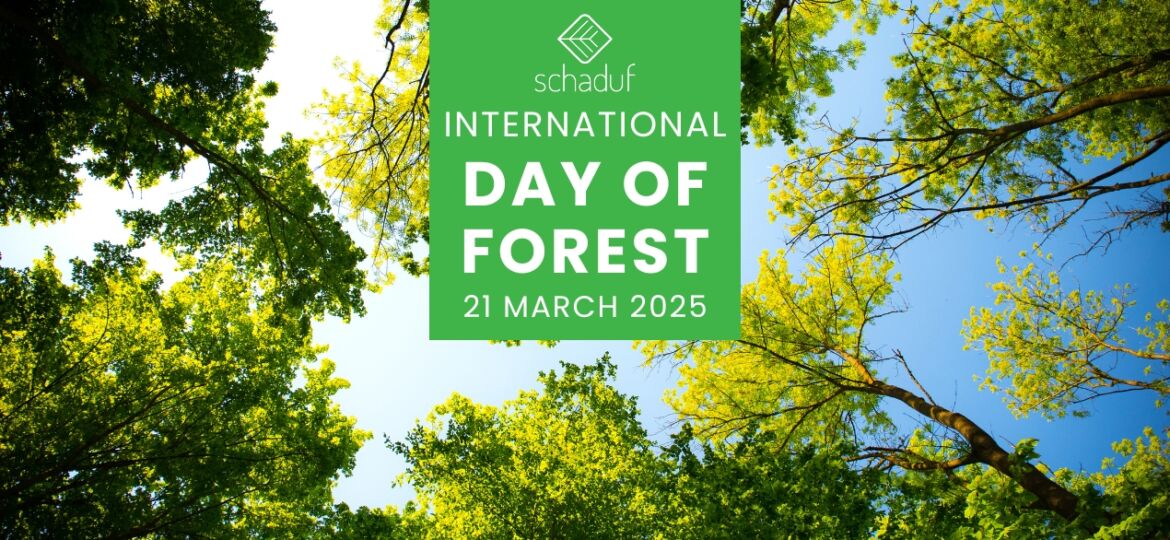
Forests are Earth’s silent guardians. Beyond their towering trees, they are dynamic ecosystems that sustain life on our planet. By absorbing carbon dioxide, producing oxygen, and regulating global temperatures, forests act as natural climate stabilizers. They are also sanctuaries for biodiversity, hosting over 80% of terrestrial species, from pollinators critical to food systems to endangered flora and fauna. For humanity, forests provide irreplaceable resources: clean air, fertile soil, medicinal plants, and livelihoods for millions. Yet, as cities expand, forests face unprecedented threats—deforestation, fragmentation, and the encroachment of concrete.
Forests and Food: Nourishing the World
The United Nations’ 2025 theme, “Forests and Food,” underscores a truth often overlooked: forests are foundational to global food security. They are not just sources of timber but pantries of nutrition. Wild fruits, nuts, mushrooms, and honey have sustained communities for millennia, while agroforestry—integrating trees with crops—boosts soil health and yields. Forests also shelter pollinators responsible for one-third of the world’s food production. However, urban sprawl and unsustainable practices are eroding these vital ecosystems. The challenge? To preserve forests while reimagining their role in a rapidly urbanizing world.
Cities Need Forests Too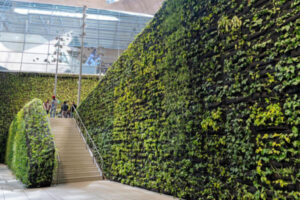
Urbanization doesn’t have to mean nature’s demise. Cities, home to over half of humanity, can become hubs of ecological innovation. While we can’t replicate vast forests in metropolitan centers, we can integrate their essence—clean air, biodiversity, and sustenance—into urban design. This is where green infrastructure shines: vertical forests, rooftop gardens, and sustainable landscapes that mimic natural ecosystems.
At Schaduf, we bridge the gap between urban growth and ecological balance through:
-
- Schaduf Smart Farming: Revolutionizing food systems with tech-driven solutions like hydroponics, reducing pressure on forest-derived resources.
-
- Schaduf Landscape Architects: Crafting biodiverse green spaces that revive native flora, combat heat islands, and create habitats for urban wildlife.
-
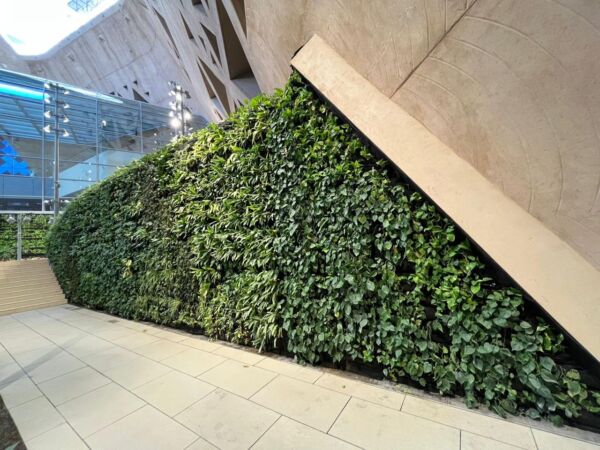
- Schaduf Green Solutions: Installing living green walls and green roofs that purify air, lower energy costs, and transform sterile buildings into thriving ecosystems.
The Future is Vertical, The Future is Green
Imagine cities where skyscrapers double as vertical forests, rooftops bloom with crops, and streetscapes buzz with pollinators. These aren’t utopian dreams—they’re achievable milestones. Green infrastructure absorbs carbon, cools neighborhoods, and reconnects urban dwellers to nature’s rhythms. By weaving forests into cities, we don’t just fight climate change; we build healthier, more resilient communities
Together, Let’s Rewild Cities
Forests remind us that nature is not a distant wilderness—it’s a living, breathing partner. As cities grow, let’s ensure they grow with nature, not against it. This International Day of Forests, join the movement to redefine urban spaces as ecosystems where people and nature thrive, side by side.