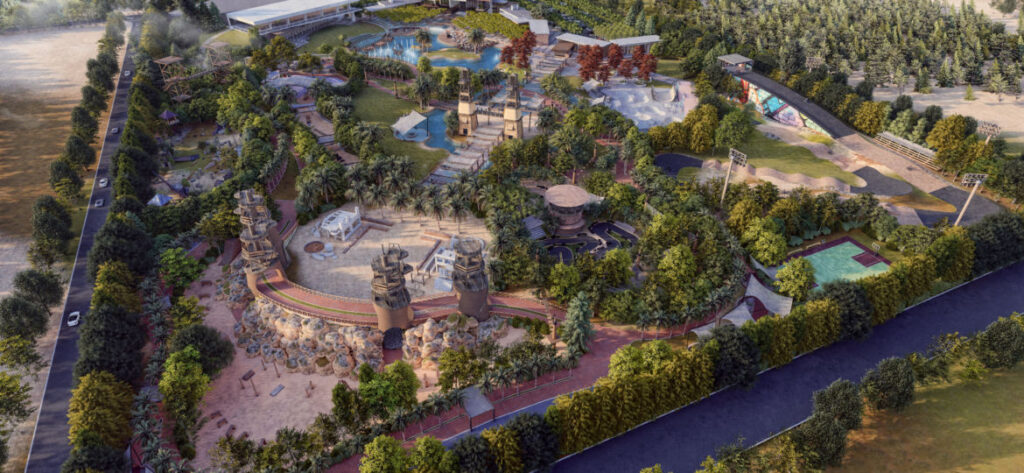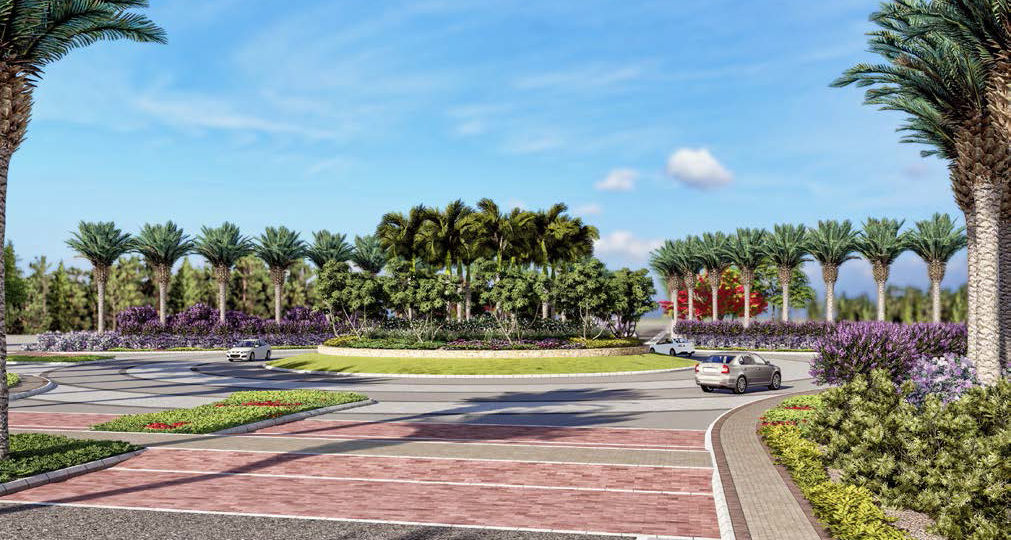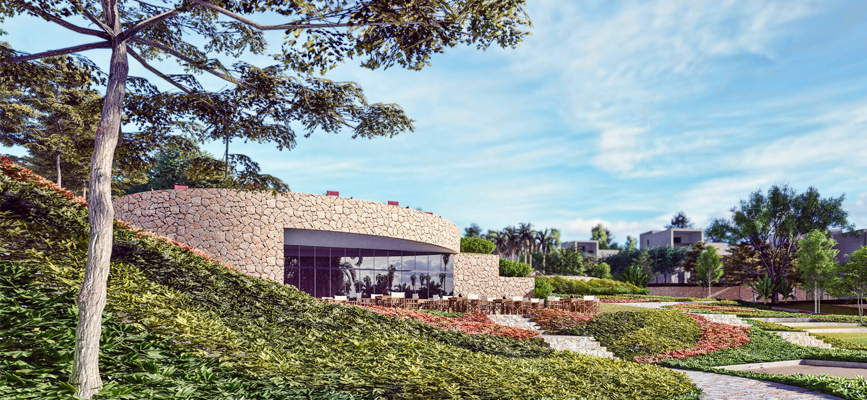
There is a growing need to understand the future, and the future of landscape design looks extremely promising. Landscape architects have always played a key role in shaping outdoor environments. However, with continuous advancements in technology and sustainability practices, professionals in the field must stay updated with modern techniques to deliver the best possible results. This article explores sustainability in landscape design, the impact of green spaces on mental health, and the role of emerging technologies such as AI and VR.
Sustainability in Landscape
Environmental challenges such as waste accumulation and climate change have increased the need for sustainable landscaping solutions. Modern landscape design focuses on reducing carbon footprints while using recyclable and eco-friendly materials.
Techniques such as living walls and green roofs are becoming increasingly popular. These systems help reduce carbon emissions because plants naturally absorb carbon dioxide, one of the major greenhouse gases contributing to global warming.
In addition, smart irrigation systems are now widely used to optimize water consumption. These systems ensure that plants receive the correct amount of water without over-irrigation or water waste. Automated maintenance technologies also contribute to sustainability through sensors that monitor garden conditions and maintain landscapes with high precision, preventing over-trimming and improving plant health.
By integrating these renewable and sustainable solutions, landscape architects can create greener urban environments while minimizing environmental impact.
Landscape and Mental Health
Green spaces play a significant role in improving mental health. Research indicates that access to green areas can reduce depression by up to 19%. This demonstrates how powerful well-designed landscapes can be in improving people’s emotional well-being.
In modern urban life, stress and mental health challenges are becoming more common. Green environments provide a natural solution by creating calming spaces where people can relax, socialize, and reconnect with nature.
Studies also show that the presence of parks and green landscapes encourages physical activity and social interaction, both of which are essential for maintaining good mental health. Simply walking through natural environments can increase feelings of connection, relaxation, and overall life satisfaction.
Artificial intelligence is transforming many industries, including landscape design. Through machine learning algorithms, landscape architects can analyze site data such as soil type, water retention capacity, sun exposure, and climate patterns.
This information allows designers to create site-specific landscape solutions that are both efficient and sustainable. AI can also analyze client preferences regarding colors, styles, and spatial layouts, helping designers better understand their clients and deliver personalized designs that meet their expectations.
Landscape and Virtual Reality
Virtual reality introduces a powerful way for clients to experience landscape designs before they are built. VR creates immersive simulations that allow users to explore the proposed environment as if it already exists.
Through VR technology, landscape architects can test different design alternatives, adjust elements in real time, and receive direct feedback from clients. This interactive process increases engagement, improves collaboration between designers and clients, and ultimately leads to more satisfying results.
Conclusion
Understanding the future of landscape design is essential as technology and sustainability continue to evolve. Sustainable practices help mitigate climate change, while thoughtfully designed green spaces improve community well-being and mental health.
At the same time, innovations such as artificial intelligence and virtual reality are transforming the way landscapes are planned, designed, and presented. By embracing these advancements, landscape architects can build more resilient, sustainable, and people-centered environments.
If you are planning a new project and need a professional landscape architect, feel free to contact us. You can also explore some of our previous projects
here.