
Forget about Landscape and Let’s Discuss The Sustainable Landscape
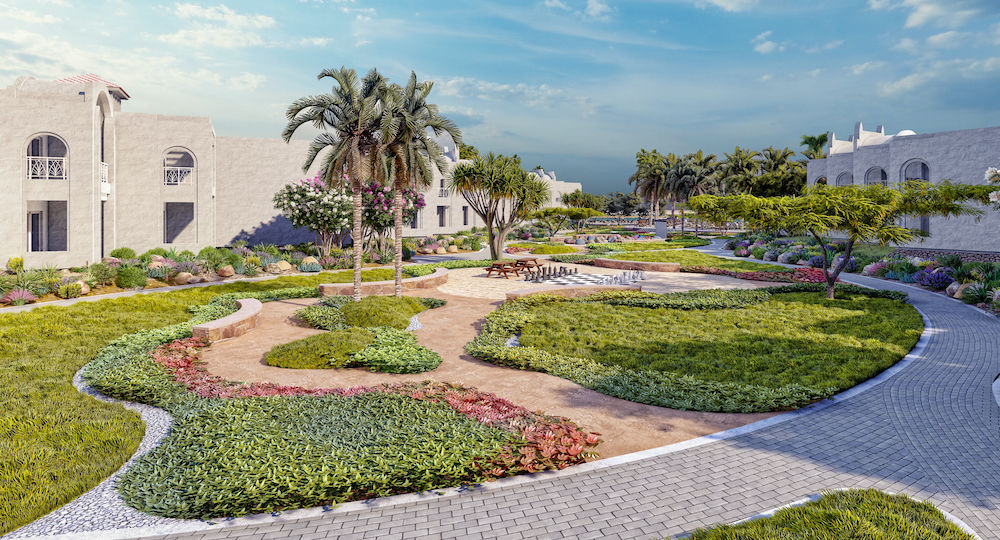
Sustainable landscapes aim to balance environmental, economic, and social dimensions in urban and rural planning to support ecosystems and human well-being.
Environmentally, they enhance biodiversity, soil and water quality, climate regulation, and provide essential ecosystem services like food, fiber, and recreation.
Economically and socially, sustainable landscapes increase local value through tourism, property benefits, and specialty products, while promoting inclusiveness, participatory design, and mental and physical health benefits for communities.
Can Urban Farming Contribute to Solving the Dilemma of Food Security?
Urbanization is increasing rapidly, placing pressure on food supply chains and raising challenges for providing safe, nutritious, and affordable food in cities.
Urban farming plays a vital role in addressing these challenges by enabling local food production, improving food security, and providing income and employment opportunities for vulnerable urban populations.
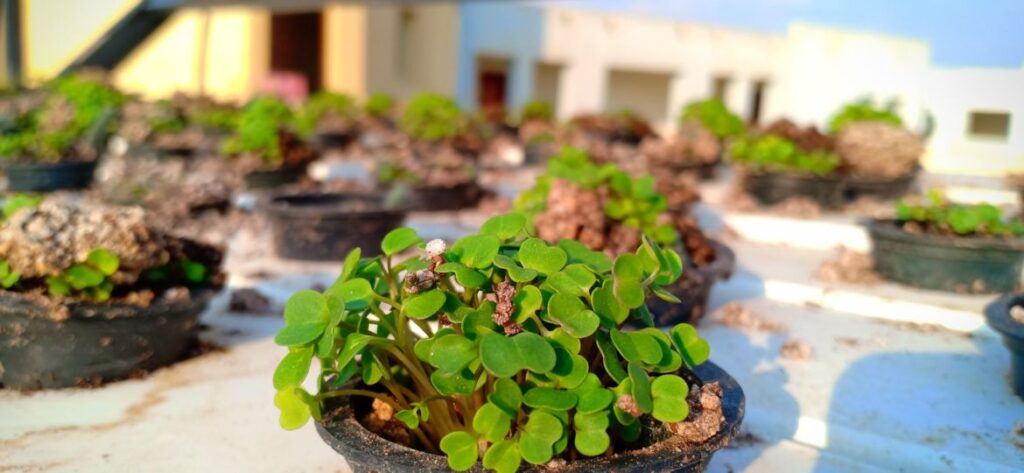
Initiatives like Schaduf’s rooftop cultivation programs in Cairo demonstrate how urban agriculture can support families, promote self-sufficiency, and make productive use of limited urban space.