Schaduf’s Global Impact

Empowering Communities, Building Resilient Cities

At Schaduf, sustainability is more than planting greenery—it’s about transforming urban spaces through innovation. We harness cutting-edge solutions to empower communities, enhance urban environments, and align with global sustainability standards, driving meaningful, lasting change.

Schaduf + Society

Education & Capacity Building

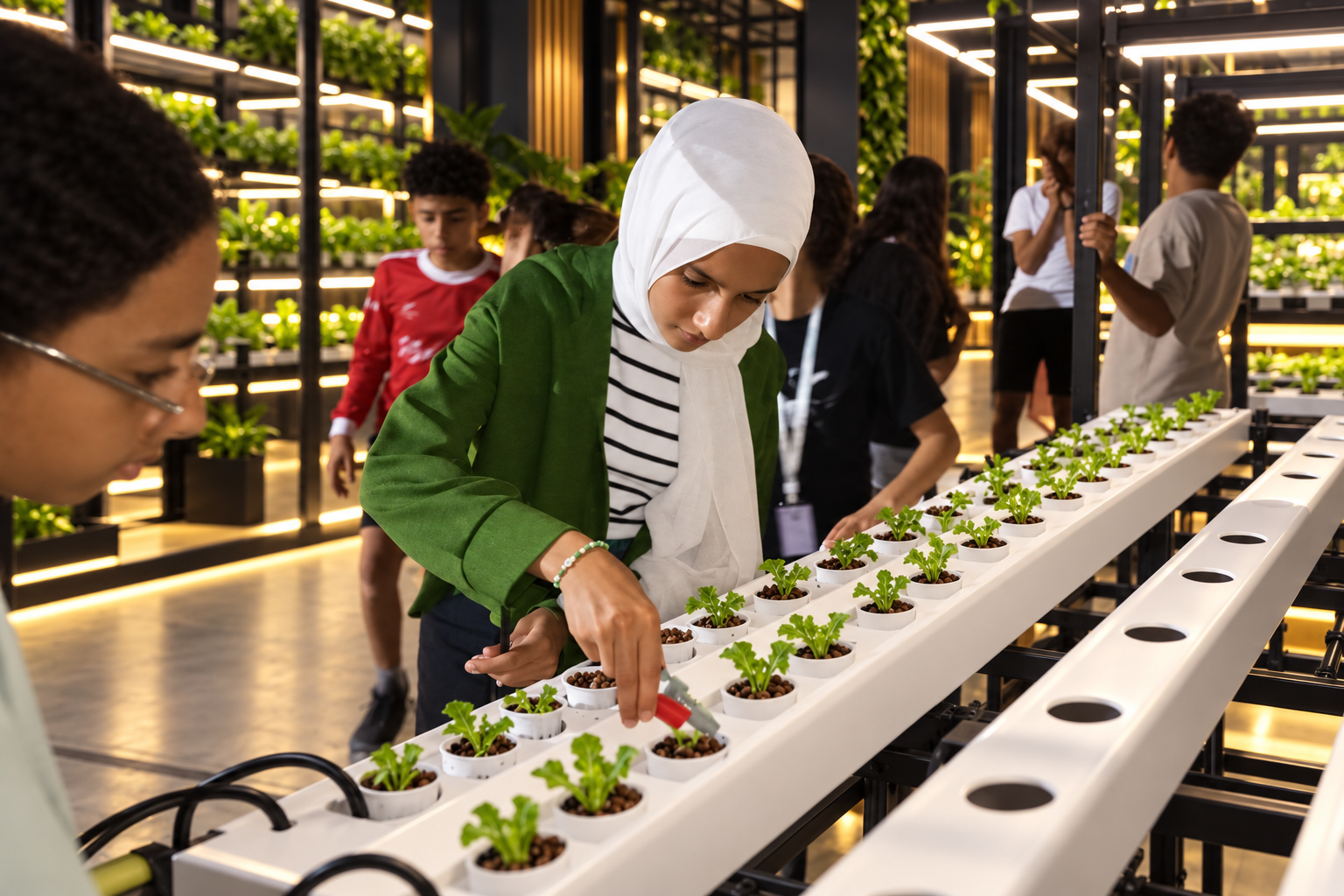
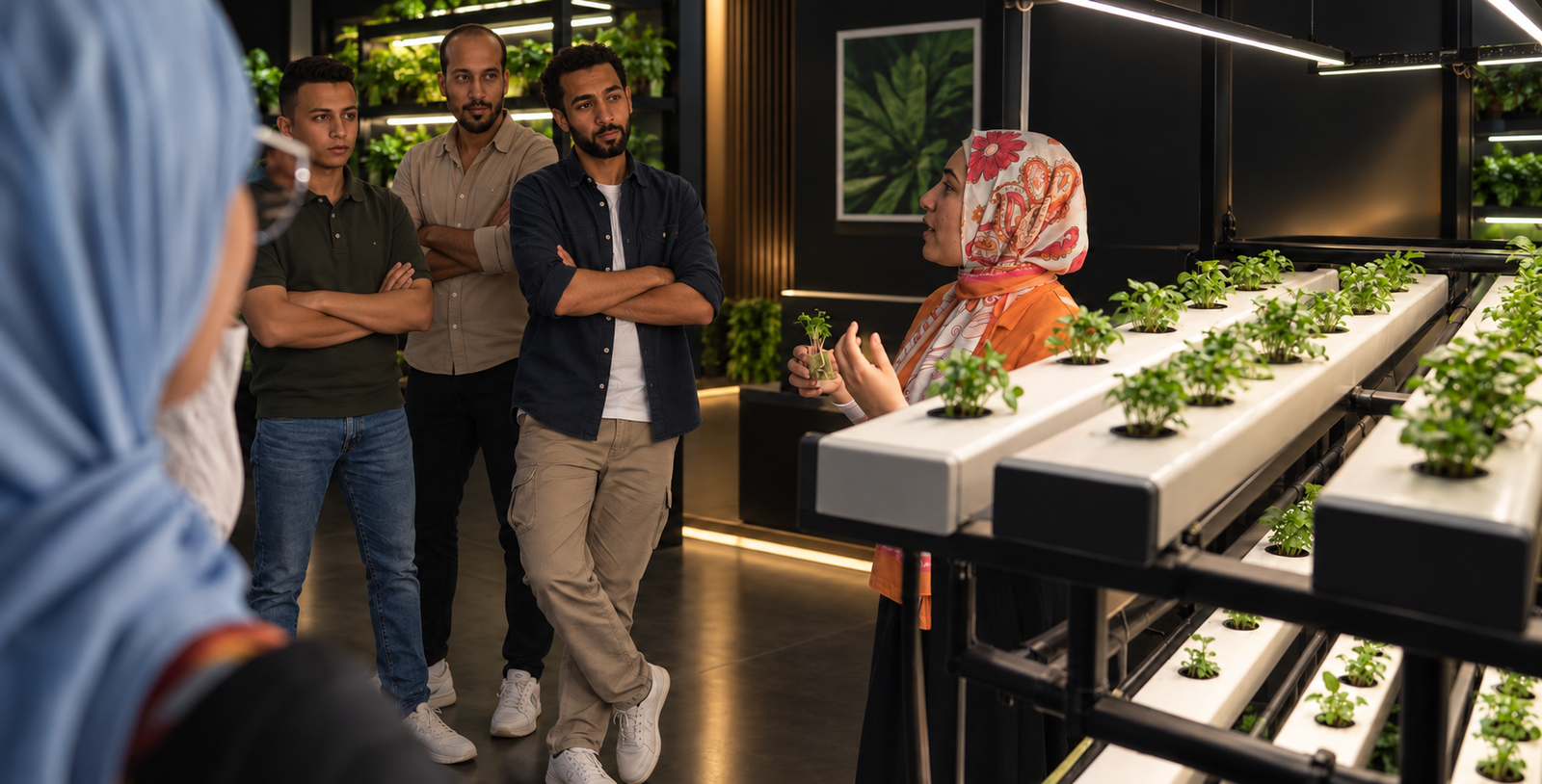
Schaduf equips individuals with hands-on training in modern agriculture, enabling farmers, youth, and entrepreneurs to build self-sufficient, environmentally conscious livelihoods while advancing local food security.

  • School Programs:
    Hydroponic modules educate students on food security and ecological stewardship.
  • Tailored Training:
    Customized programs empower urban communities and farmers with tools for long-term resilience.

1500+
individuals trained in hydroponics and sustainable farming techniques.

Community-Based Urban Farming

Food security is a global challenge—but local solutions drive real impact. Schaduf’s urban farming initiatives transform underutilized spaces into productive green hubs, ensuring nutritious food access and economic empowerment for communities.

  • 694 Hydroponic Rooftop Farms:
    Slash food miles and strengthen local food systems.
  • 2,975 Beneficiaries:
    Direct access to fresh, nutrient-rich produce for underserved communities.
  • Farmed Here:
    Egypt’s first in-store hydroponic farm, delivering hyper-local, sustainable produce while redefining urban food resilience.

Schaduf + Environment

Education & Capacity Building

At Schaduf, our environmental solutions address critical challenges—water scarcity, climate change, biodiversity loss, and urban heat—by reimagining urban spaces as living, regenerative systems. We reduce water waste, lower carbon emissions, and foster biodiversity to create healthier, more sustainable cities.

Water Stewardship

Hydroponics and precision irrigation greatly reduce water use, helping crops thrive in dry climates globally.

Climate Mitigation & Urban Cooling

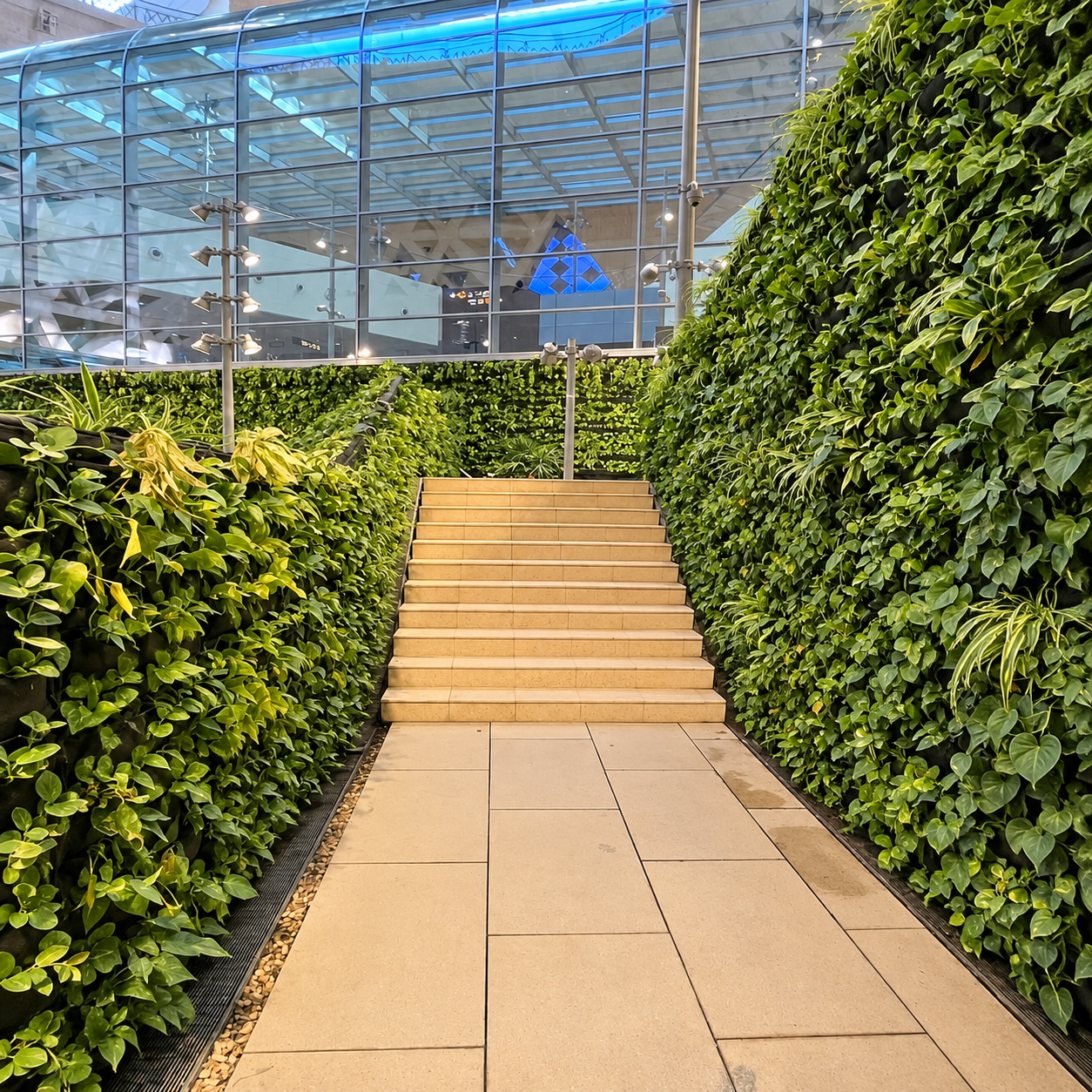
Green spaces, roofs, and vertical gardens absorb carbon, cool cities, and reduce energy use.

Biodiversity & Habitat Restoration:

Native, drought-resistant, pollinator-friendly plants help restore healthy urban ecosystems and support biodiversity.

Stormwater Resilience

Permeable landscapes and bioswales manage runoff, cut flood risks, and filter pollutants effectively in urban areas.

Circular Design

Recycled materials and renewable energy reduce waste and environmental footprints for lasting planetary health.

Schaduf + Global Goals

Alignment with UN Sustainable Development Goals (SDGs)

Schaduf’s initiatives directly contribute to key United Nations Sustainable Development Goals, reinforcing our commitment to a sustainable future.

SDG 1: No Poverty – Empowering Communities

Over 500 rooftop farms established, creating income-generating opportunities for marginalized populations.

SDG 2: Zero Hunger – Smart & Sustainable Agriculture

Over 2,600 individuals trained in sustainable farming, and the “Farmed Here” initiative introduced Egypt’s first in-store hydroponic farm, promoting local food production.

SDG 3: Good Health & Well-Being – Greener, Healthier Environments

Our green solutions—including green roofs, green walls, and sustainable landscapes—enhance urban well-being by improving air quality, reducing heat stress, and promoting mental well-being in workplaces, schools, and homes.

SDG 4: Quality Education – Building Eco-Conscious Leaders

Training programs delivered to youth, women, and underrepresented groups in modern sustainable agriculture and hydroponic techniques.

SDG 5: Gender Equality – Empowering Women in Agriculture

Targeted initiatives provide women with training, financial independence, and leadership opportunities.

SDG 6: Clean Water & Sanitation – Water Efficiency in Agriculture

Smart irrigation and hydroponic systems reduce water use by up to 90%, ensuring sustainable food production in water-scarce regions.

SDG 8: Decent Work & Economic Growth – Creating Green Jobs

Expansion of urban farming, smart agriculture, and sustainable landscape design generates new employment opportunities.

SDG 9: Industry, Innovation & Technology – Driving Sustainable Innovation

Schaduf leverages precision farming, automation, and hydroponic advancements to revolutionize urban agriculture and green solutions.

SDG 10: Reduced Inequalities – Inclusive Agricultural Integration

Partnerships with IOM and specialized programs for immigrants and teenagers with special needs ensure broader inclusion in sustainable agriculture.

SDG 11: Sustainable Cities & Communities – Transforming Urban Environments

Green Solutions improve air quality, reduce urban heat, and enhance biodiversity, including Egypt’s first rooftop garden on a bus.

SDG 12: Responsible Consumption & Production – Efficient Resource Use

Innovative hydroponic systems minimize agricultural waste and promote local food production, reducing reliance on imported goods.

SDG 13: Climate Action – Advancing Low-Carbon Solutions

Implementation of green solutions lowers carbon emissions and optimizes energy consumption, contributing to climate resilience.

SDG 15: Life on Land – Enhancing Biodiversity

Urban greening initiatives—including living walls, green roofs, and sustainable landscapes—create habitats for pollinators and support biodiversity.

SDG 17: Partnerships for the Goals – Collaborating for Sustainable Impact

Strategic partnerships with organizations such as IOM, GIZ, Drosos Foundation, CIB, Sawiris Foundation, Banati Foundation, and Knorr scale sustainable projects across communities.